Moonlight on still water at night

Fall asleep — and stay in deep sleep.

The natural way to switch off a racing mind: 3D sound journeys and targeted sleep sessions that carry you down into deep, unbroken sleep — no pills, no side effects — now backed by two new Rutgers University sleep studies.

Try Beginning for Free

★ 4.8 App Store  ·  200,000+ five-star reviews  ·  Studied at Rutgers University

A racing mind can't sleep. A settled one can't help it.

Most sleepless nights aren't a body problem — they're a mind that won't put the day down. Our sound technology gives your mind something better to follow: slow, three-dimensional soundscapes recorded in real nature, layered with binaural beats and calming frequencies. Thinking quiets, breathing slows, and sleep arrives on its own.

It works in the hardest sleep environment we could find: a hospital critical-care unit.

Everything tonight calls for

Sleep Sounds & Sound Therapy.

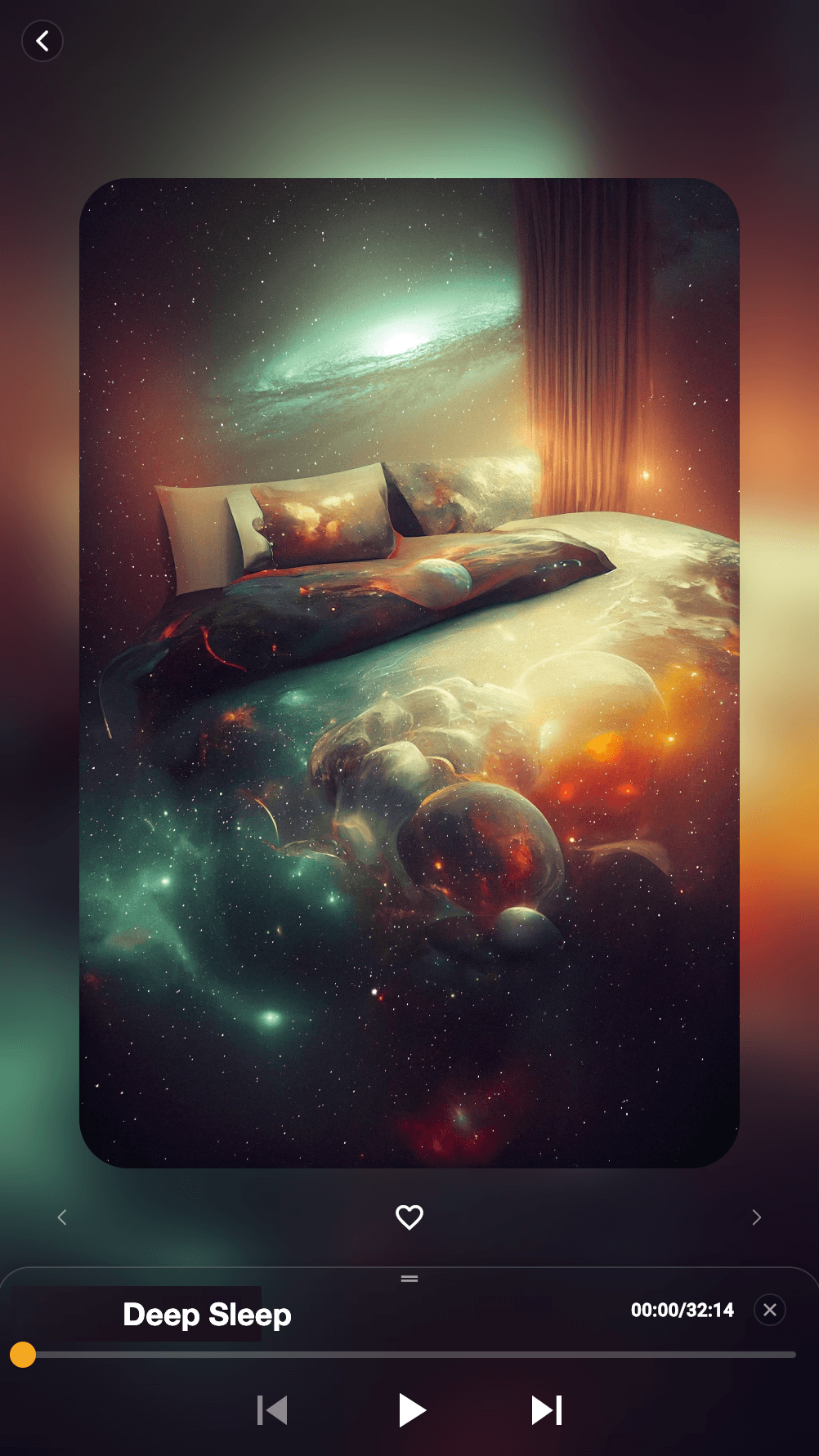
Twenty targeted 32-minute sessions — Deep Sleep, Full Relaxation, and more — built to be playing as you drift off.

Beginning app — Deep Sleep session

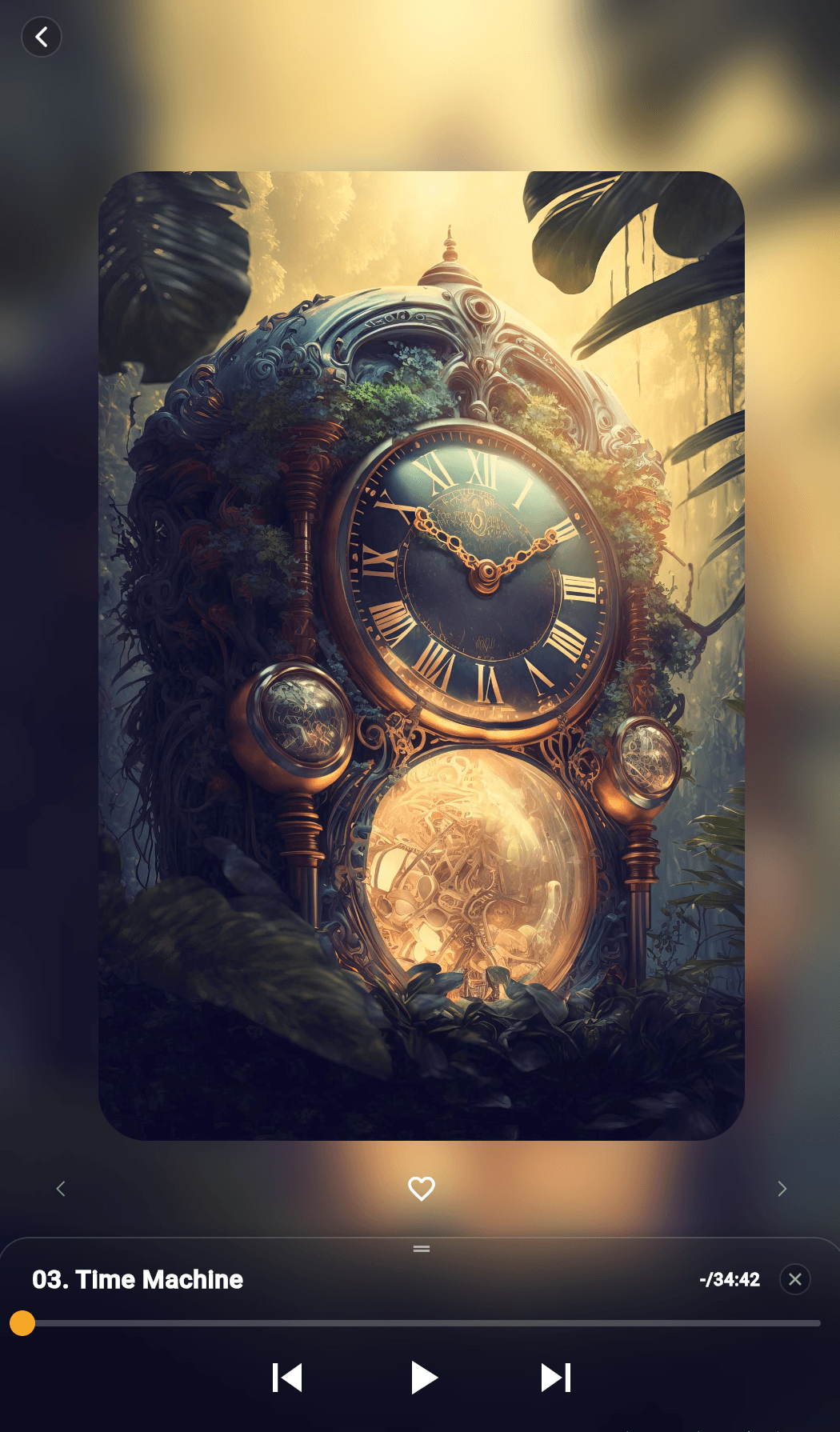
3D Sound Journeys — 200+ and growing.

A 25-minute journey at bedtime is the gentlest off-switch we know. Many listeners never hear the end.

Beginning app — 3D Sound Journeys

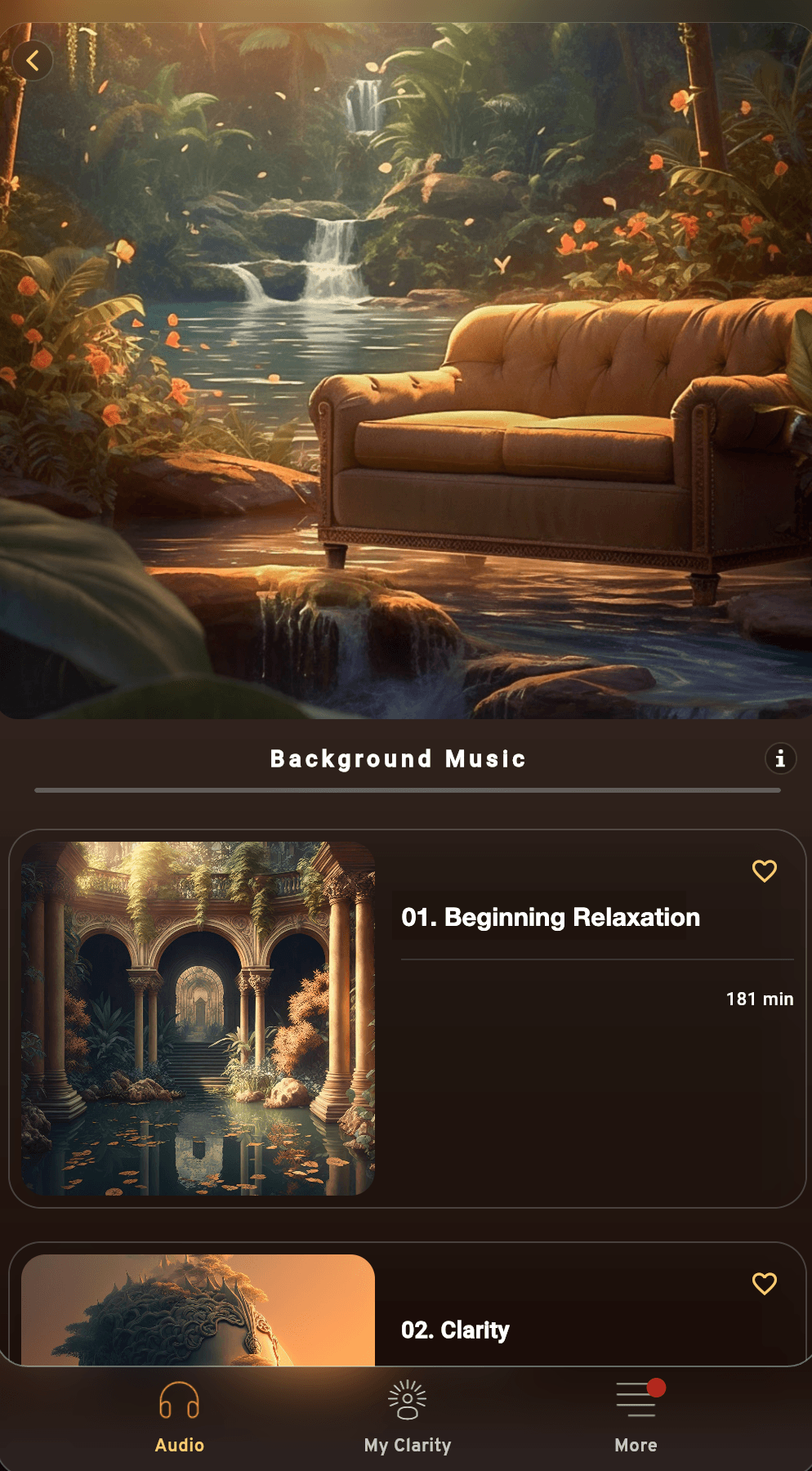
Background Music.

Continuous calming music and white noise, for falling asleep and for staying there.

Beginning app — Background Music

We put it to the hardest sleep test we could find.

Two new Rutgers University studies. 123 doctors, nurses, and clinicians. Significantly better sleep in four weeks.*

If anyone struggles to sleep, it's healthcare workers — night shifts, high stress, and critical-care alarms that follow them home. In two newly completed studies, researchers at Rutgers University had 123 clinicians — in a hospital critical-care unit and in primary care — listen to our sound journeys for four weeks. Both studies found statistically significant improvements in sleep quality across every insomnia measure studied (p < .001): participants fell asleep faster, slept with fewer early-morning awakenings — and when they did wake, listening again helped them return to sleep more easily than before. The more regularly they listened, the better they slept. Many of the clinicians who took part now recommend the sound journeys to their patients.

These findings are now being prepared for publication in a peer-reviewed journal — and a third Rutgers study, on sleep in older adults, is already underway. They build on our published result: stress reduced by 70% in 30 days.†

*Preliminary findings from two completed Rutgers University studies (2026); publication in a peer-reviewed journal is in progress.
†Published study: 100 healthcare workers, Rutgers University School of Nursing, The Journal for Nurse Practitioners (2023).

See the research →

Questions, answered.

White noise masks sound. Our journeys and sleep sessions are composed, three-dimensional soundscapes with binaural beats — they give a busy mind something to follow down, not just something to hide behind.

Many listeners do — soft earbuds or a sleep headband work well. You can also let a session play from your phone by the bed; the 3D depth needs headphones, but the calming effect doesn't disappear without them.

Keep a Sleep Sounds session within reach. In the Rutgers studies, participants who woke early and pressed play again returned to sleep more easily than they had before — the same off-ramp that took you down the first time works at 3 a.m. too.

Yes. Our sound technology has a published, peer-reviewed Rutgers University study behind it (stress reduced by 70% in 30 days), and two newly completed Rutgers sleep studies — 123 clinicians, significantly better sleep in four weeks — are now being prepared for publication. A third study, on sleep in older adults, is underway.

Beginning

Tonight, sleep. Tomorrow, rise and shine.

Try Beginning for Free
App StoreGoogle Play